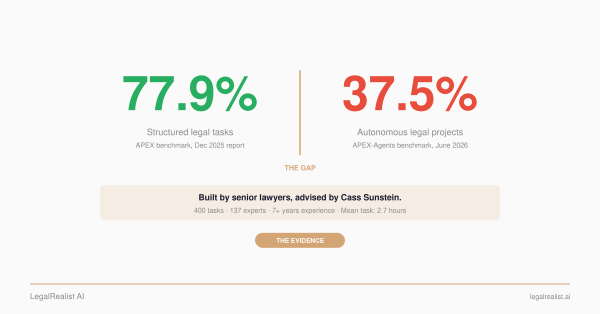
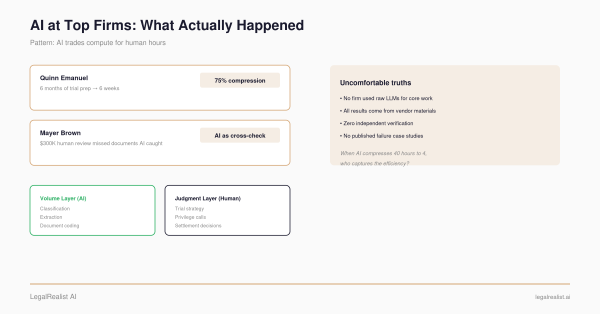
The APEX benchmark — built by Mercor, with tasks authored by BigLaw-experienced lawyers and advised by Cass Sunstein — is the most rigorous test of whether AI can perform real legal work. The answer is more specific than vendors or skeptics suggest.
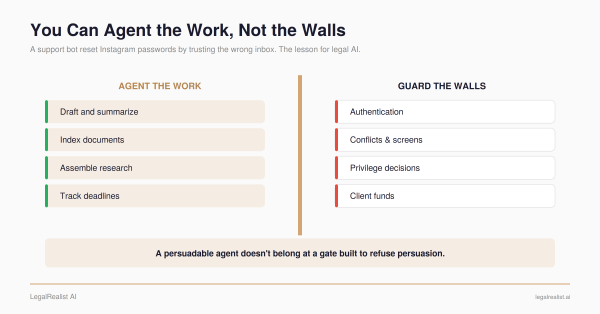
An Instagram account-takeover wave exploited Meta's AI support bot at the password-reset gate. The lesson for law firms: authentication and ethical walls exist to refuse persuasion — exactly what agents are built to do well.
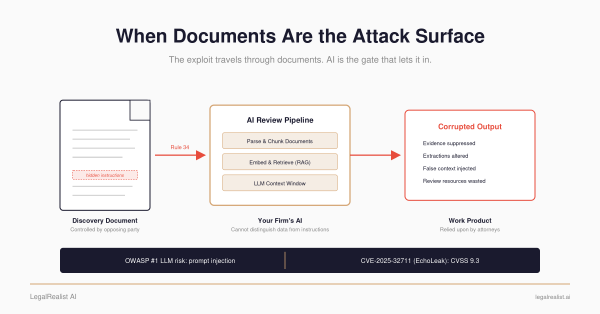
The attack surface isn't AI — it's the documents AI processes. Prompt injection in discovery, adversarial inputs delivered through Rule 34 productions, and the cybersecurity gaps firms create by piping untrusted content through LLM pipelines.
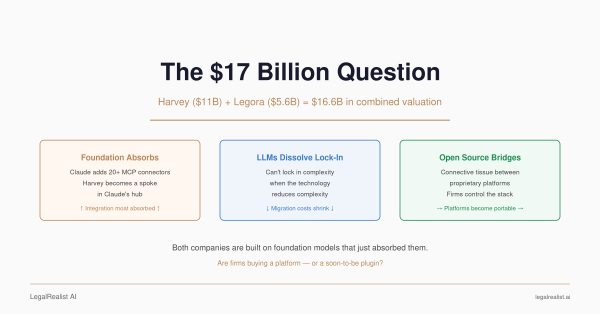
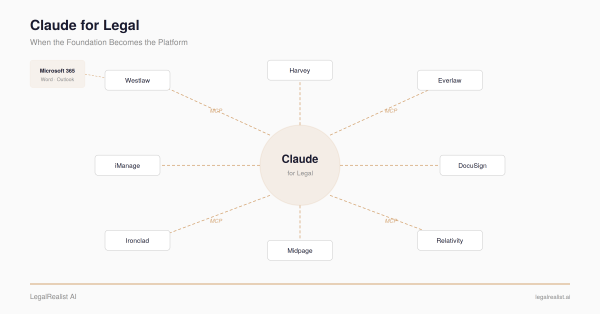
Harvey ($11B) and Legora ($5.6B) have a combined $17B valuation, but both are built on foundation models that just launched their own legal platforms — with Harvey as a connector inside Claude.
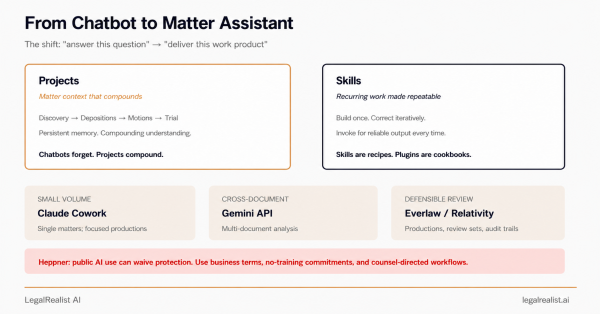
A practical walkthrough of Claude Cowork across the litigation lifecycle — organized around Projects for matters and Skills for recurring tasks — plus the privilege question every firm needs to answer first.
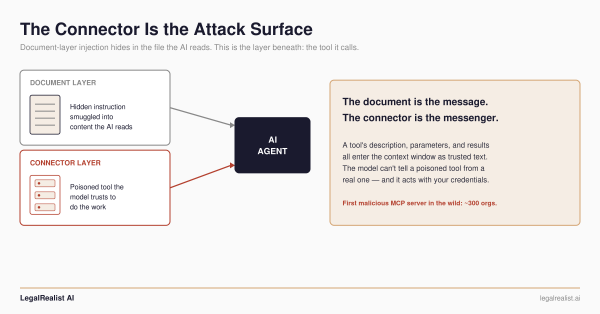
The first malicious MCP server in the wild BCC'd every email to its author. A poisoned WhatsApp connector showed how one approved tool can siphon another connector's data. When a firm wires AI agents into its document system, the plumbing — not the document — is the new attack surface.
Anthropic launched Claude for Legal with 12 practice-area plugins and 20+ MCP connectors — positioning Claude as the hub that legal tech plugs into, not just the model underneath it.
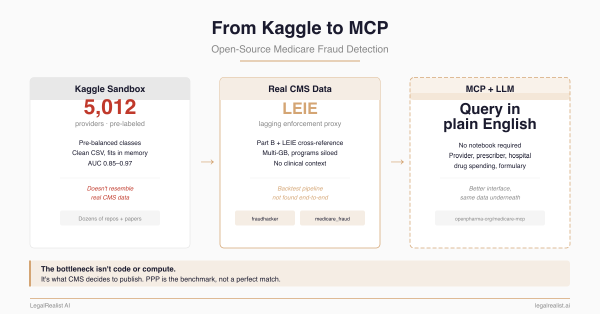
The PPP fraud pipeline worked because the SBA released unusually inspectable data. Medicare's public data is fragmented, de-identified, and missing the features detection needs. Here's what exists on GitHub, where it falls short, and what CMS would need to release to make outside healthcare-fraud analysis more practical.
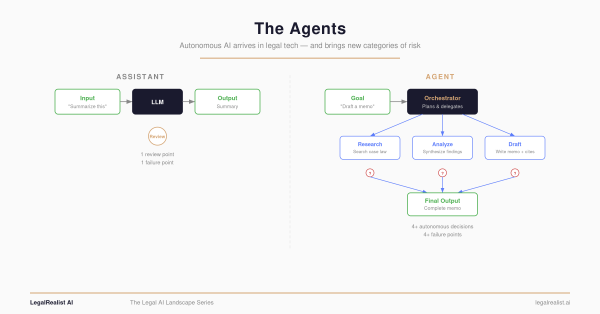
Every major legal AI vendor shipped autonomous agents in Q1 2026. Here's what they actually do, what can go wrong, and why your ethical walls weren't built for this.
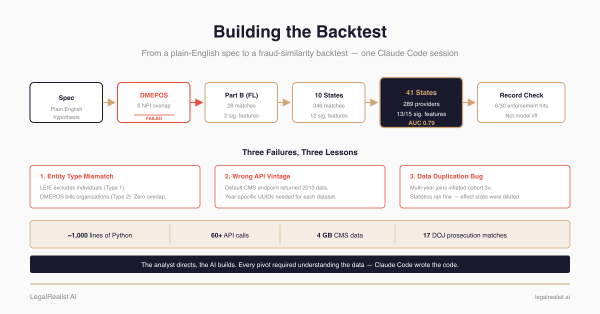
A walkthrough of building a Medicare fraud backtest overnight in Claude Code — from a plain-English spec to 289 matched providers across 41 states, a fraud-similarity model with AUC 0.79, and a manual public-record check of high-scoring peers. Including the three times the pipeline failed, the data duplication bug, and the engineering decisions that shaped the final design.
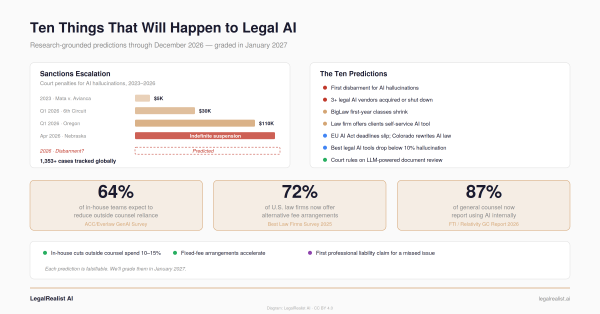
Ten research-grounded predictions for legal AI through the end of 2026 — from the first disbarment for hallucinated citations to the collapse of point-solution vendors to the pricing collision between AI-enabled firms and their clients.