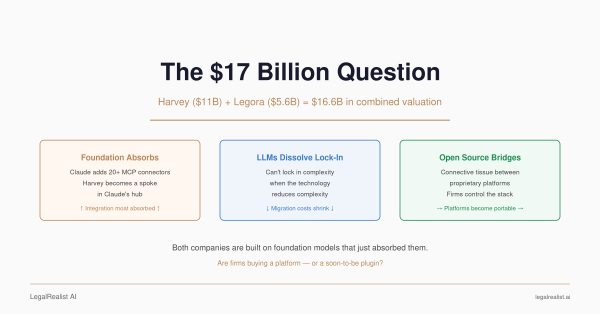
Harvey ($11B) and Legora ($5.6B) have a combined $17B valuation, but both are built on foundation models that just launched their own legal platforms — with Harvey as a connector inside Claude.
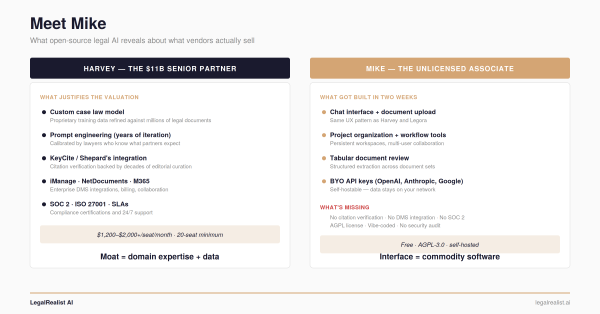
A former Latham associate vibe-coded a Harvey clone in two weeks and open-sourced it. The tech wasn't the hard part — and that's the point. Here's what mid-size firms should learn about what legal AI vendors actually sell.
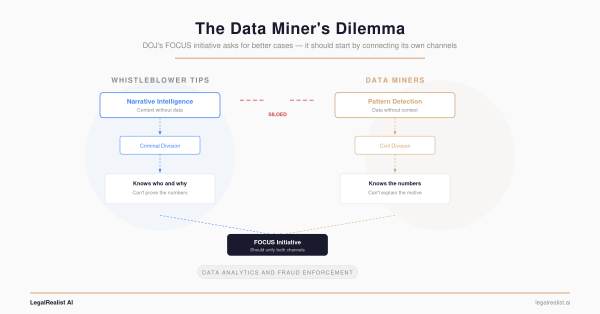
DOJ's new FOCUS initiative wants better data-driven fraud cases. But it keeps its two best enforcement channels — whistleblower tips and data miner analytics — in separate silos. The real opportunity is connecting them.
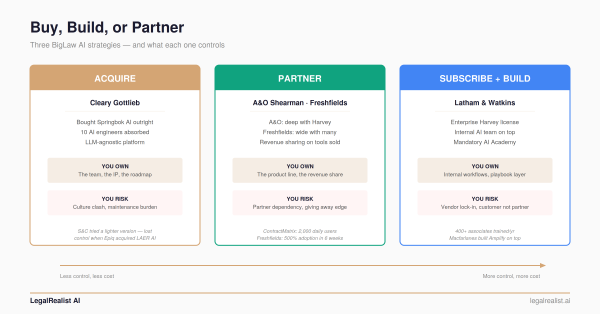
Cleary acquired an AI company. A&O Shearman and Freshfields co-develop with AI labs and share the revenue. Latham subscribes and builds on top. Three strategies, three very different risk profiles.
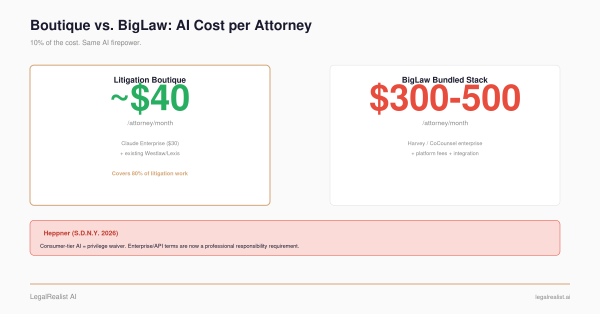
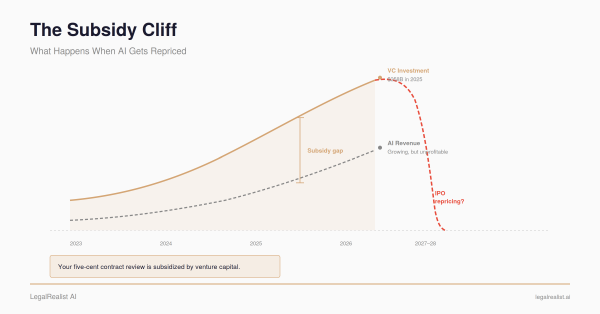
Every major AI lab prices inference below cost. When the venture capital subsidizing your five-cent contract review runs out, your AI economics change whether you're ready or not.
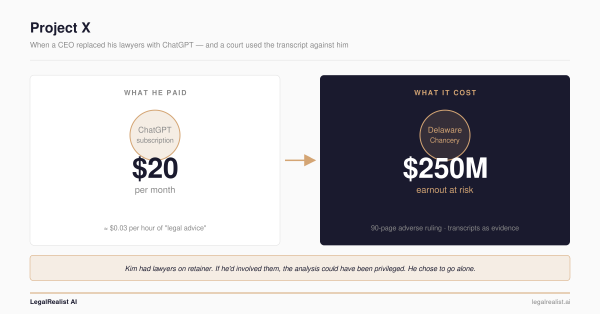
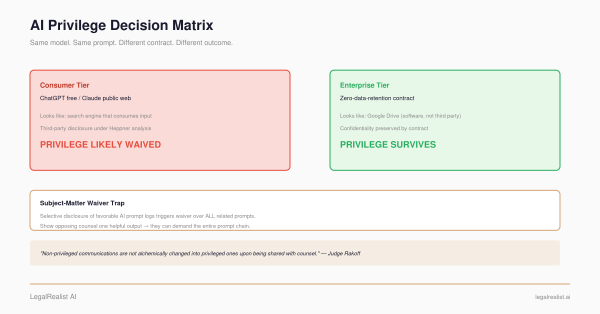
Krafton's CEO bypassed his lawyers and asked ChatGPT how to avoid a $250 million payout. A Delaware court used those chat logs to rule against him — and the case is a warning to every executive treating a chatbot as a confidential advisor.
Federal courts are working out how attorney-client privilege and work product apply to AI prompts. The doctrine hasn't changed — *Hickman*, *Upjohn*, and *Kovel* still control. Here's how each case applies the existing elements.
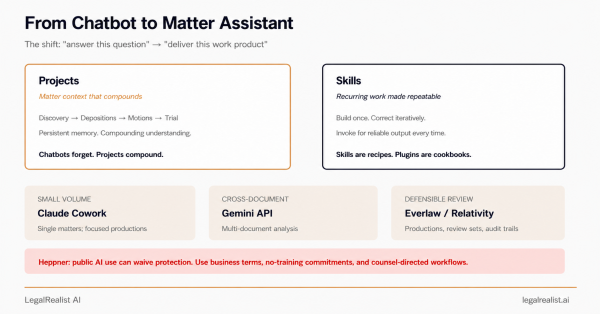
A practical walkthrough of Claude Cowork across the litigation lifecycle — organized around Projects for matters and Skills for recurring tasks — plus the privilege question every firm needs to answer first.