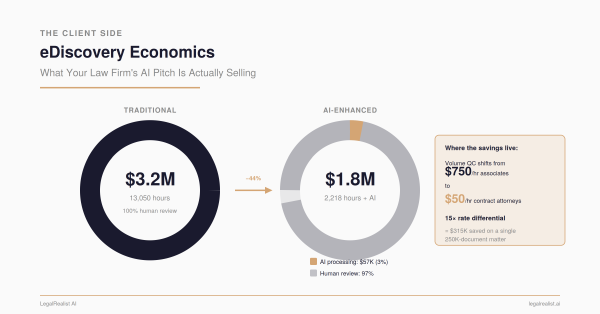
AI processing costs ~3% of an AI-enhanced eDiscovery workflow. The real savings come from restructuring leverage — shifting volume QC from $750/hr associates to $50/hr contract attorneys. Here's the math.
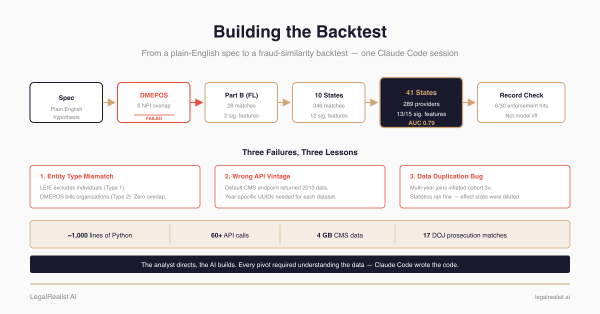
A walkthrough of building a Medicare fraud backtest overnight in Claude Code — from a plain-English spec to 289 matched providers across 41 states, a fraud-similarity model with AUC 0.79, and a manual public-record check of high-scoring peers. Including the three times the pipeline failed, the data duplication bug, and the engineering decisions that shaped the final design.
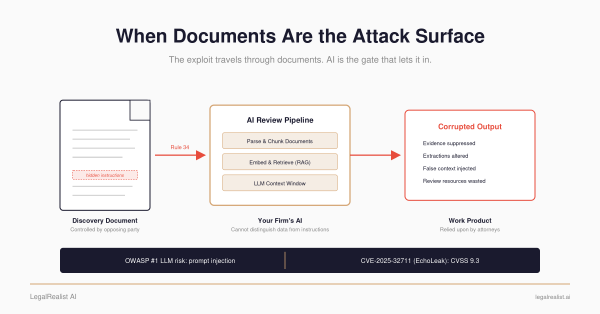
The attack surface isn't AI — it's the documents AI processes. Prompt injection in discovery, adversarial inputs delivered through Rule 34 productions, and the cybersecurity gaps firms create by piping untrusted content through LLM pipelines.
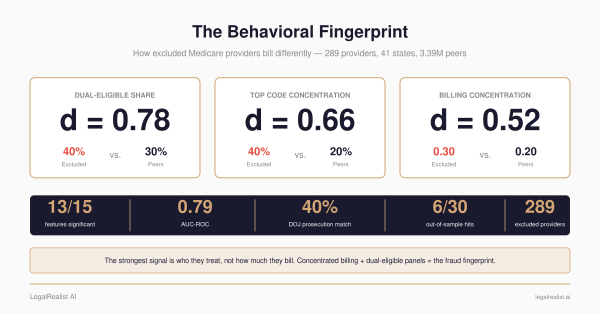
The previous post described a Medicare fraud backtest nobody had built. Here are the results. 289 excluded providers across 41 states, matched to pre-exclusion billing data, compared against 3.39 million peers. Thirteen of fifteen features showed statistically significant differences — and the same behavioral fingerprint shows up in never-excluded providers who have independent enforcement histories.
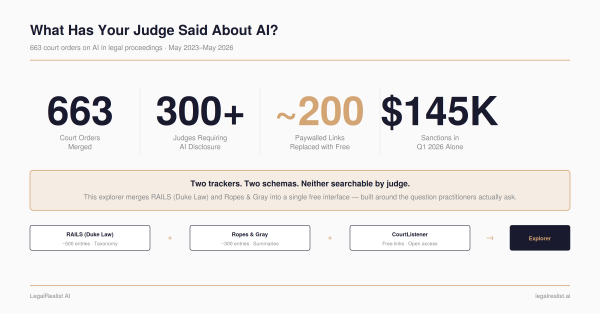
Both leading AI court order trackers merged into a free, searchable explorer — 643 orders, organized by judge, with paywalled links replaced.
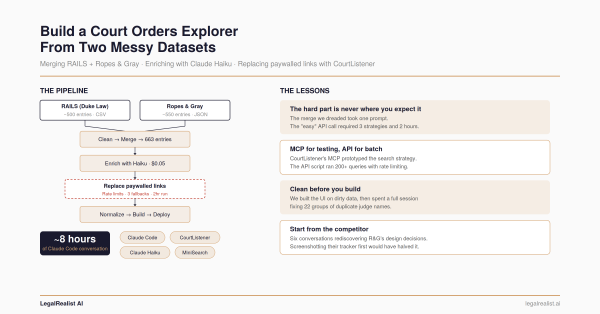
How we merged two overlapping court order trackers, enriched missing fields with Claude Haiku for a few cents, replaced 200 paywalled links with free CourtListener alternatives, and shipped a searchable explorer — all through conversational prompting with Claude Code.
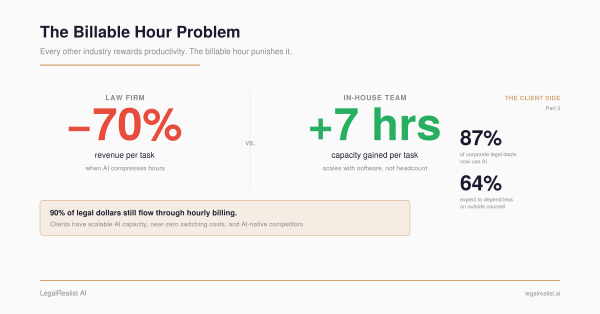
Every other industry rewards productivity. The billable hour punishes it. AI is forcing that contradiction into the open.
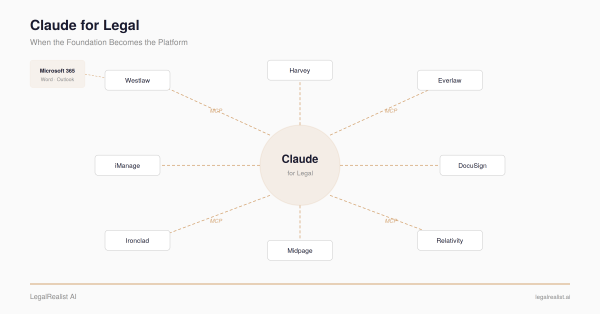
Anthropic launched Claude for Legal with 12 practice-area plugins and 20+ MCP connectors — positioning Claude as the hub that legal tech plugs into, not just the model underneath it.
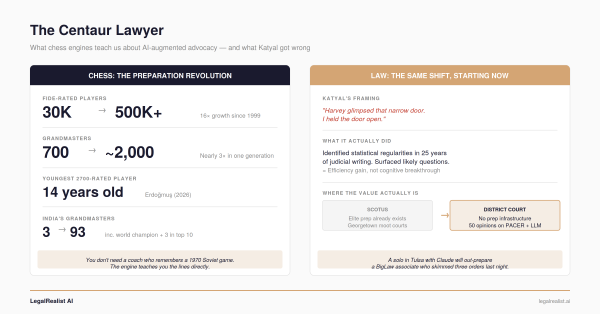
Neal Katyal's TED talk about using Harvey AI to prepare for the Supreme Court tariffs case drew backlash for its tone — but the underlying use case mirrors how chess engines transformed competitive preparation, and it's available to any litigator today.
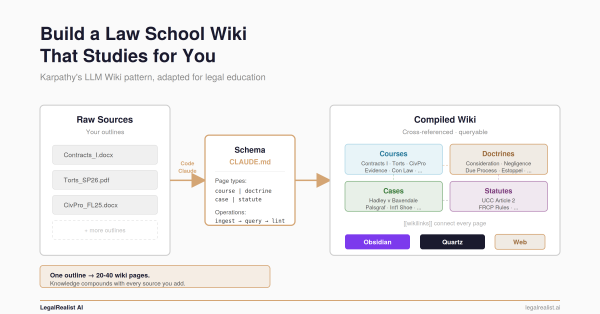
Adapt Karpathy's viral LLM Wiki pattern for legal education — drop in your outlines, let Claude Code build a cross-referenced knowledge base, and publish it as a browsable site with Quartz.